A model is a representation
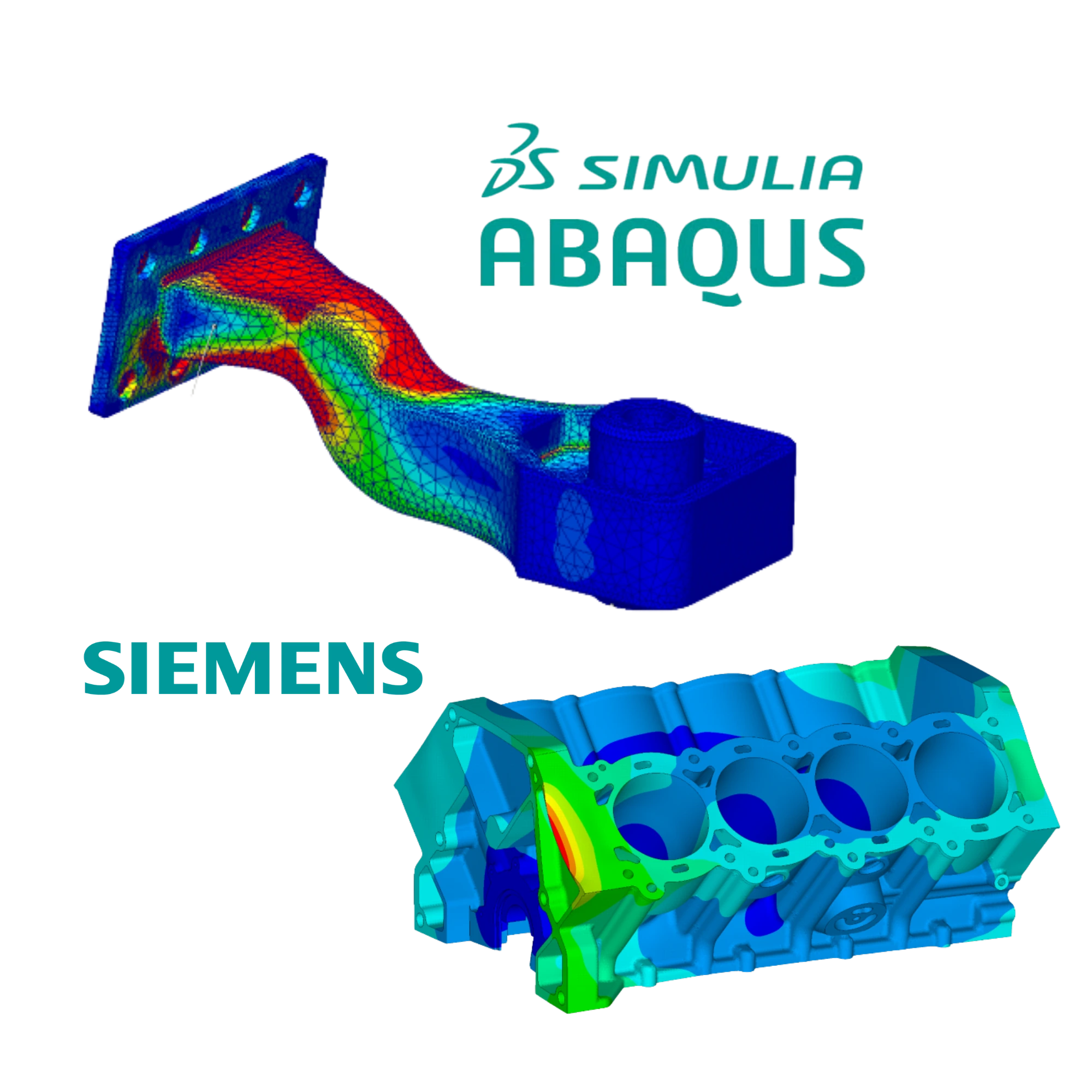
Finite element simulation represents a physical problem with simplifications. Geometry, material properties, contacts and loads determine what the analysis can explain. Each choice needs to fit the question being investigated.
An attractive image does not, by itself, demonstrate structural adequacy. Results need to be related to operating conditions and the criteria used for a decision. An approximation suitable for comparing alternatives may be insufficient for final validation.
Check the boundary conditions
Supports and connections directly influence the model response. Restricting a movement that occurs in reality or applying a load in the wrong location can significantly change calculated stresses. Model preparation requires a careful understanding of mechanical behaviour.
The mesh should also suit the areas being investigated. Verification considers result sensitivity, deformation, reactions and overall equilibrium. Singularities and concentration zones require careful interpretation.
Make the conclusion usable
A useful calculation report describes assumptions, methods, findings and study limitations. It explains what can be concluded and which additional checks may be required.
R&D MECA uses analysis as a technical decision tool. The aim is to understand behaviour, compare options and make engineering choices explicit.