The engineering need
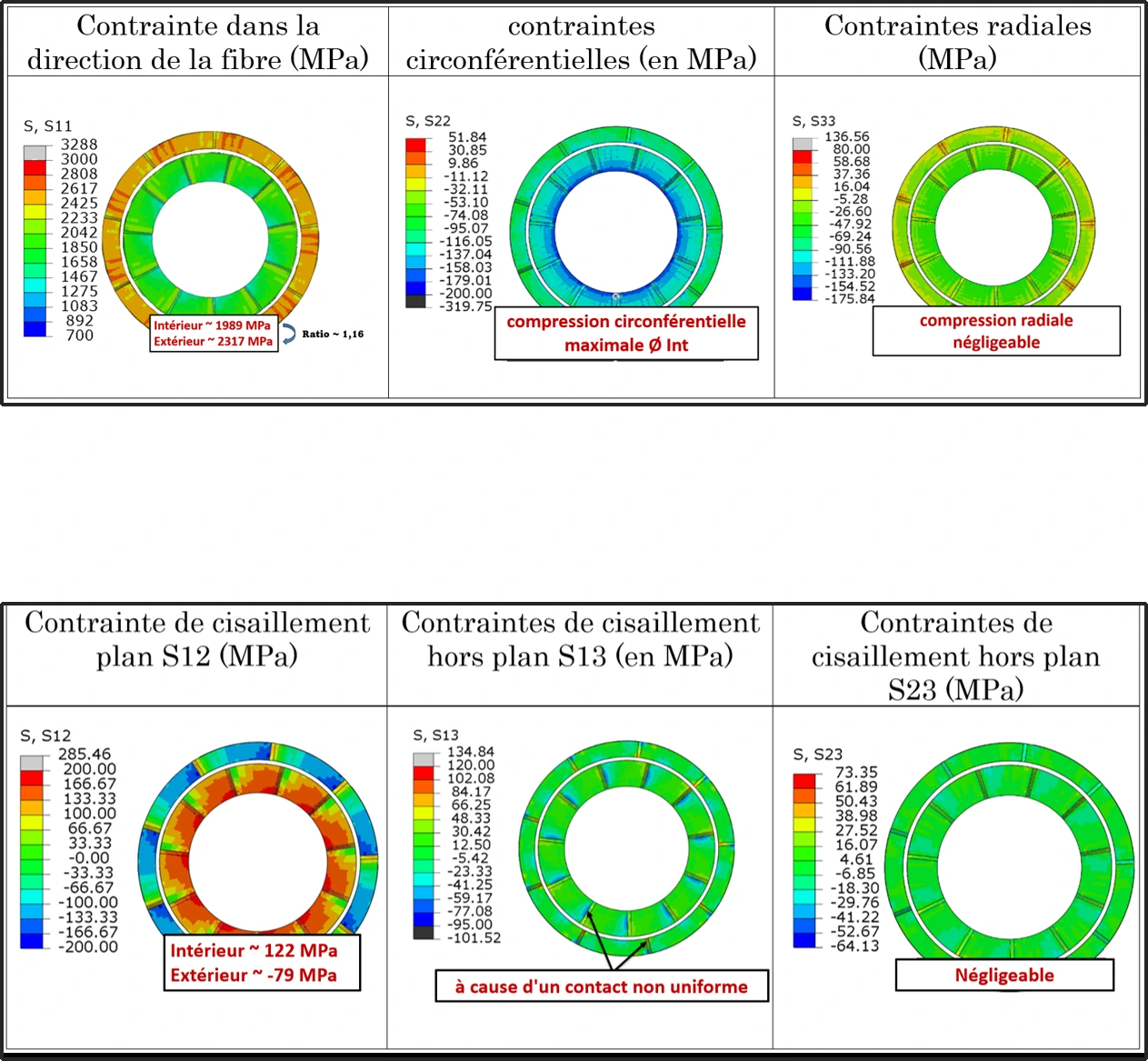
A multilayer composite cable responds differently depending on fibre orientation. The study represented this anisotropy and the interactions between layers so design alternatives could be compared before physical prototyping.
Modelling and verification
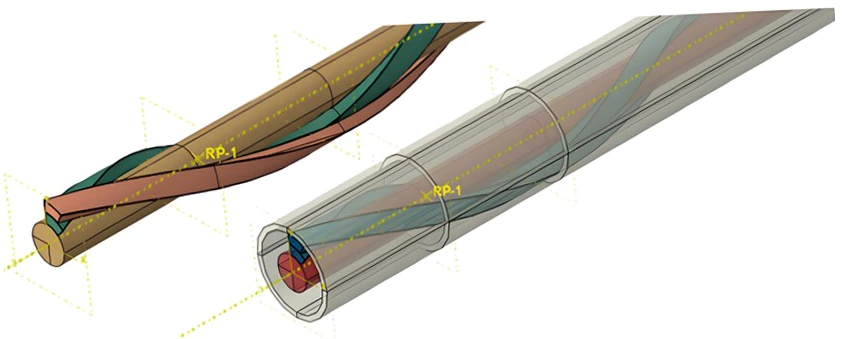
Orthotropic ply properties were checked against classical lamination theory. Helical geometry, material orientations and interlayer contacts were incorporated into an Abaqus model.
Static and modal calculations were supported by mesh convergence and sensitivity studies of lay angle and reinforcement thickness. Python automated preparation, solving and post-processing on an HPC infrastructure.
Reported outcomes
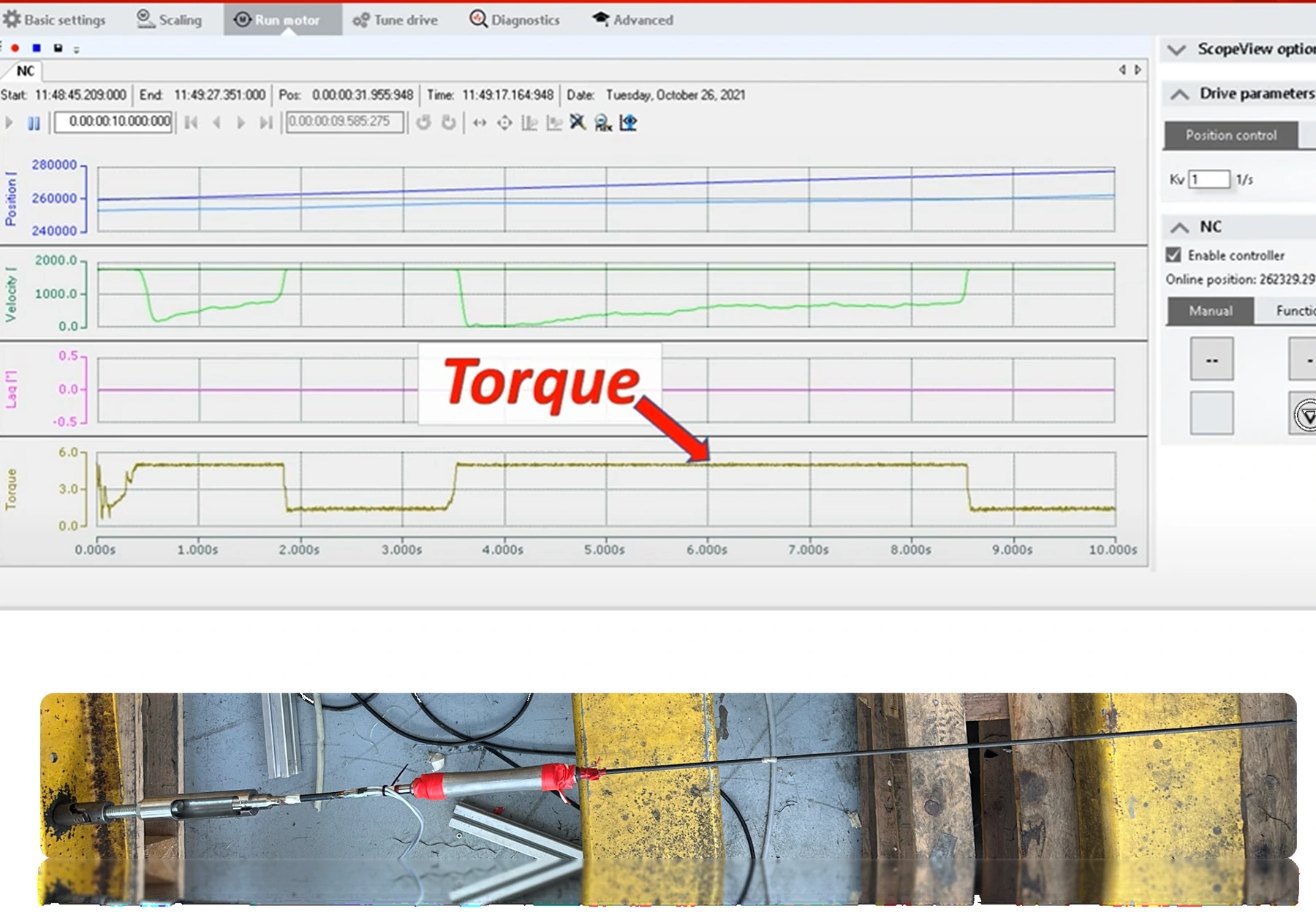
The study reports agreement between analytical and numerical stiffness within a few percent, alongside comparisons of natural frequencies with testing. A 2% peak-stress convergence tolerance was used to select the mesh.
Sensitivity analysis identified lay angle and reinforcement thickness as important stiffness parameters. The model helped focus design alternatives and reduce reliance on physical rebuilds.
What this case demonstrates
Useful FEA connects material assumptions, meshing, boundary conditions and experimental validation. These methods support engineering reports that inform mechanical design and industrialisation decisions.
Methods for your project in Morocco.
Explore the related services and discuss the scope suited to your equipment.
Mechanical designAnalysis & validationIndustrialisation & reliability