The integration requirement
Commercial sensors reviewed did not meet the envelope and cost targets for a special-purpose machine. The project developed a torque measurement solution around the equipment interfaces and operating requirements.
Design and prototype
The work combined mechanical conversion of torque into measurable strain, a full Wheatstone bridge, analog conditioning and real-time FPGA processing.
Automated calibration routines linked sensor output to a reference bench. MATLAB/Simulink forms part of the development environment.
Reported outcomes
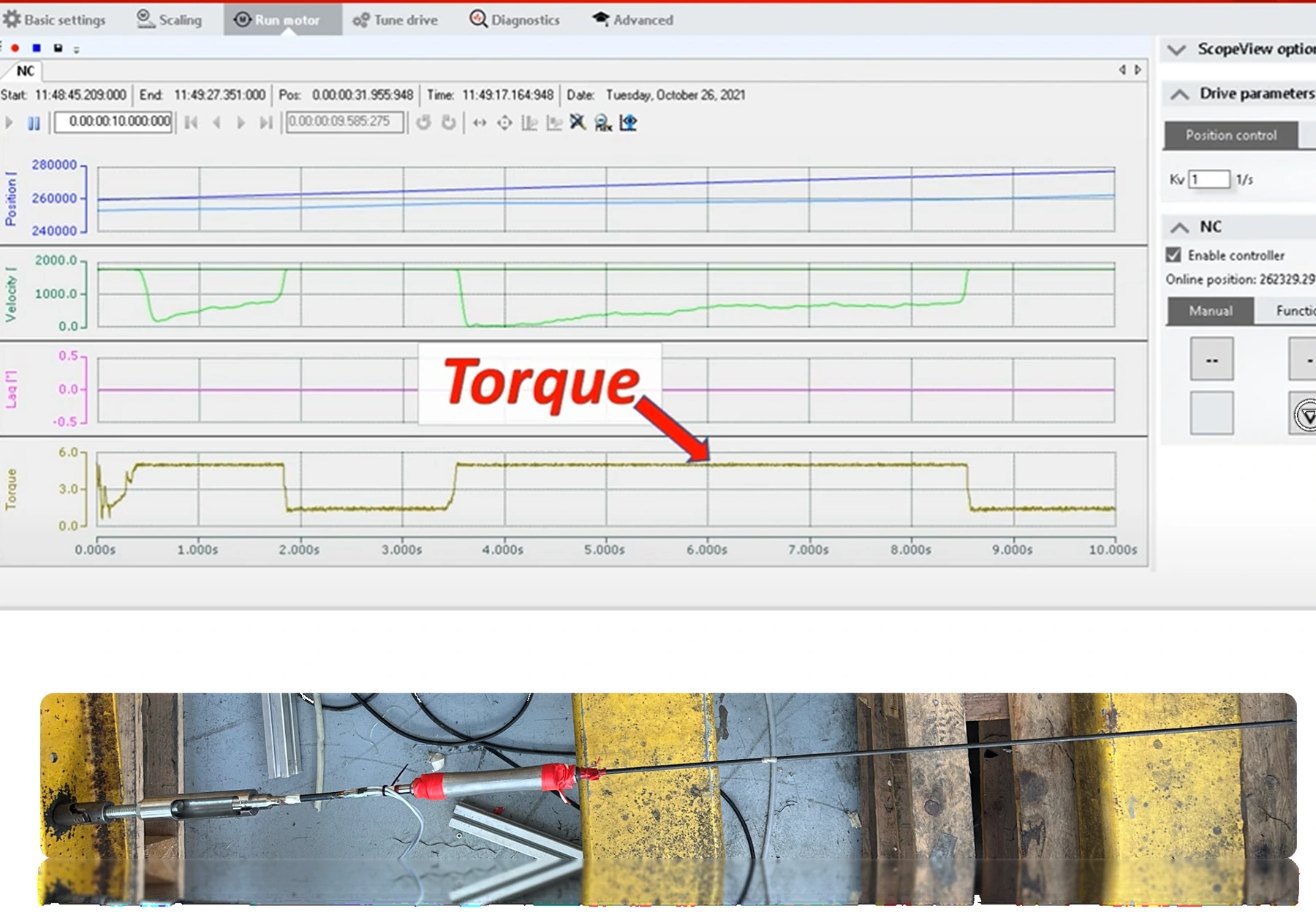
The study presents a characterised response across the working range and rejection of parasitic bending and thermal sensitivities. Real-time filtering supported use of the measurement in a control loop.
The in-house design met the envelope and cost requirements of the application studied. Performance is described within that project scope.
What this case demonstrates
Industrial sensor development connects mechanical design, electronics, integration and validation. A usable prototype also needs a calibration procedure and agreed acceptance criteria.
Methods for your project in Morocco.
Explore the related services and discuss the scope suited to your equipment.
Mechanical designAnalysis & validationIndustrialisation & reliability